Begin with what you want more of
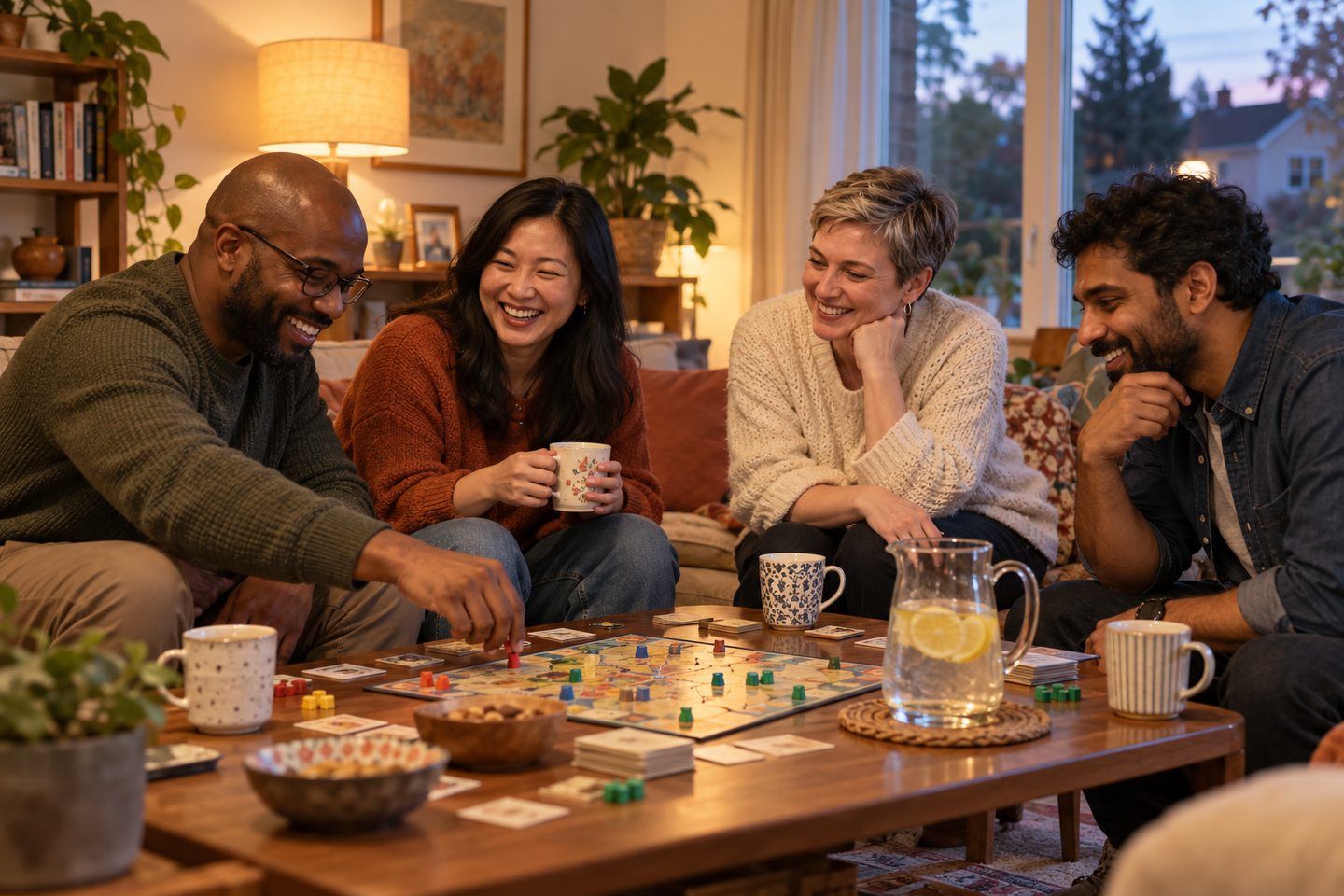
An alcohol-free social life is easier to imagine when you start with the experiences you want to create. Perhaps you want conversations you can hear, evenings that finish early enough for work, chances to learn something, or gatherings where declining a drink requires no explanation. A Dry Living home can provide a setting for those preferences. It does not guarantee friendship or make every resident outgoing. Its practical advantage is that people have already agreed that alcohol will not be the centre of life in the home, leaving space to decide what they would enjoy instead.
That decision should be creative rather than restrictive. Ask your Bunkmates what a good shared evening looks like, what they used to enjoy, and what they would be curious to try. Someone might love cooking, another might enjoy music, and another might prefer a short weekend coffee chat to any evening event. These differences offer material for a varied social rhythm. You do not need to invent a permanent household tradition immediately. Start with one small activity that people can accept or decline comfortably. A pleasant half-hour together can do more for a new household than an ambitious event that leaves everyone tired or pressured.
Use invitations that leave room for a real no
The wording of an invitation can shape the whole experience. We are making soup at six if you would like to join feels different from everyone needs to come to dinner. Dry Living is a housing preference, not an agreement to attend every social event. Some residents need more solitude, have unpredictable schedules, or maintain busy lives elsewhere. Others may be eager for connection but hesitant about large groups. Make invitations clear about time, duration, cost, and what is involved, and allow people to answer privately when that is easier. An easy refusal helps future invitations feel more genuine.
Do not demand a reason when someone declines. A Bunkmate may be resting, working, managing pain, talking to family, or simply enjoying their own company. You do not need to know which. Continue offering occasional invitations without treating absence as rejection. Equally, avoid repeatedly pressuring the same person after they have said they prefer not to join a particular activity. A considerate household can ask whether they would like to hear about future plans or prefer to initiate. Respecting that answer helps preserve the difference between friendly availability and unwanted attention, especially during the first weeks of living together.
Make food a meeting point without making it a test
Food can give people something natural to do together. A simple shared breakfast, make-your-own bowl evening, or potluck lunch offers conversation without needing a formal programme. Before planning, ask about relevant dietary needs and preferences in a practical way. There is no need to ask residents to explain religious practices, medical conditions, or personal choices. Let people identify what they can comfortably eat and decide how much detail to share. Label ingredients when useful, use separate utensils where needed, and avoid presenting one person's dish as a novelty that requires them to speak for an entire culture.
Keep the labour fair. A resident who cooks well should not automatically become the household caterer, and a person who cannot stand for long should not be excluded from contributing. Someone can choose music, make a shopping list, arrange a delivery, set the table, or handle a later task. Another resident may prefer to bring their own food and simply sit with the group. Discuss costs beforehand so nobody feels trapped into paying for an expensive menu. The point is shared time, not culinary performance. A meal made from ordinary groceries can be as welcoming as a carefully planned feast when people feel comfortable and considered.
Offer several ways to take part
An inclusive social calendar needs more than one kind of activity. If every event is a long walk, residents with limited mobility may be left out. If every event is a fast-paced game, someone unfamiliar with the language or rules may feel embarrassed. If every gathering is noisy, residents who prefer a quieter environment may stop accepting invitations. Variety allows more people to find a comfortable entry point. Consider a film with captions, a seated craft session, a short conversation over tea, a collaborative playlist, or a low-pressure puzzle that people can join and leave without disrupting everyone else.
Ask about access before deciding that an activity is suitable. Can everyone reach the space, use the seating, hear the conversation, see the materials, and take a break? Is there a quieter area? Will the plan work for someone who uses a mobility aid or needs a predictable finish time? Avoid putting one resident in the position of repeatedly asking for changes in front of the group. Offer practical details with the invitation and invite private questions. Accessibility is not a favour bestowed on a particular person; it is part of designing shared experiences that more residents can actually enjoy.
Build connections around shared interests
Shared interests can give a household a social foundation beyond its Dry Living preference. Two residents may enjoy plants, another pair may follow the same sport, and several may want to practise a language. These smaller connections are valuable even if the whole household never gathers at once. Try a low-commitment format: one documentary, one recipe exchange, one book discussion, or one afternoon repotting plants. A recurring club can come later if people want it. Starting small makes it easier to discover whether the activity is enjoyable rather than maintaining it because someone feels guilty about stopping.
Keep skill levels in mind. A hobby becomes less welcoming when the experienced person turns every gathering into a lesson or competition. Ask whether people want instruction, collaboration, or simply company while they work on separate projects. A hypothetical photography evening might involve everyone sharing one image from their phone, rather than requiring expensive equipment or technical knowledge. A music gathering could focus on favourite songs rather than live performance. The best activities give participants a useful role without making them prove competence. That approach also helps people with different languages, ages, and cultural references participate on equal terms.
Explore the neighbourhood with practical planning
The home can be a starting point for local connection. Libraries, community centres, public parks, volunteer organizations, arts groups, and neighbourhood events may offer possibilities, but check current schedules, costs, registration rules, and accessibility directly before making plans. Avoid assuming that free means accessible or that a venue described as nearby is manageable for everyone. Transport, weather, bathroom access, seating, and the distance from a bus stop can determine whether an outing is realistic. Planning those details is a practical way to include people without asking them to justify why a casual suggestion might be difficult.
Make the social plan flexible enough that residents can travel separately or leave early. Nobody should feel obligated to stay because the group arrived together. Discuss whether the outing will include food, any optional spending, and what happens if plans change. A hypothetical museum visit might have a clear meeting point, a short shared period, and independent browsing afterward. A neighbourhood walk might include a seated alternative at the destination. These small choices preserve independence while still creating connection. They also avoid turning the most energetic or financially comfortable resident's preferences into the default experience for everyone else.
Choose drinks thoughtfully without centring them
An alcohol-free gathering does not need an elaborate substitute for a bar. Water, tea, coffee, juice, and simple homemade drinks can be perfectly suitable. Ask what residents enjoy and avoid assuming that everyone wants products resembling beer, wine, or spirits. Some people like those alternatives; others would rather not have the association in their home. The household's existing agreement should guide the choice. If trace alcohol matters to the arrangement, read product information carefully and clarify unfamiliar ingredients rather than relying on a broad non-alcoholic label or a guest's assumption about what it means.
Health Canada notes that fermented beverages such as kombucha and kefir can contain low levels of ethanol. That is a reason to check suitability for the agreed household preference, not an invitation to make medical recommendations for other residents. Nobody should tell a Bunkmate which drink is safe for their medication, pregnancy, or recovery. They can make personal choices with appropriate professional guidance. At the social level, a good host offers ordinary options without commentary and lets people choose. The drink should support the gathering, not become a quiz about why someone avoids one product or prefers another.
Welcome different traditions with curiosity and consent
A diverse household may include many approaches to celebration, hospitality, food, music, and personal space. These differences can create enjoyable opportunities to learn, but participation should remain voluntary. Invite people to share traditions if they want to; do not assign someone the role of cultural representative because of their name or appearance. They may have a personal relationship with a tradition that differs from your expectations, or they may not practise it at all. A simple question about what they enjoy celebrating allows them to choose the level of detail rather than asking them to explain a whole community.
When adapting a celebration to a Dry Living home, focus on its meaningful elements: the people, food, music, stories, decorations, or ritual. Ask the person organizing it which features matter most and how the household agreement can be respected. Avoid presenting alcohol-free hosting as a criticism of another tradition. Residents can maintain a clear boundary while speaking warmly about guests who live differently elsewhere. That balance helps the home remain welcoming. Shared values about the household environment do not require agreement on every belief, and an enjoyable celebration does not require everyone to disclose their personal relationship with the occasion.
Protect the quiet side of community
The most helpful social moments are sometimes unplanned and brief. Saying hello in the kitchen, offering a portion of soup, asking whether someone wants company during a small task, or remembering that they had an important appointment can make a home feel more human. These gestures should be offered without expecting access to someone's private life in return. A person can appreciate friendliness while keeping conversations short. Pay attention to their response, and do not interpret a closed bedroom door as an invitation to keep checking. A respectful home has room for both connection and retreat.
Set limits around noise and shared space even when everyone is having a good time. An alcohol-free gathering can still become loud, occupy the kitchen for hours, or leave a mess for another resident. Agree on finish times, cleanup, and how to raise concerns during an event. If a Bunkmate needs the living room for a planned private call or the kitchen for dinner, their needs do not become less important because a group is socializing. Protecting these ordinary routines makes social activity more sustainable. People are more likely to welcome the next gathering when the last one did not make their home difficult to use.
Share social effort without making it another chore
Planning can quietly become the responsibility of the most outgoing resident. They suggest every event, collect replies, buy supplies, and then wonder why social life feels like work. Avoid that pattern by keeping plans simple and asking for specific voluntary help. Someone might offer to choose a film, another to make tea, and another to clear the table. If nobody wants to organize a larger gathering, choose a smaller one or skip it. An empty weekend on the household calendar is not a failure. Community should add something useful to people’s lives rather than create a permanent unpaid coordinating role.
It is also worth distinguishing enjoyment from obligation after an activity becomes familiar. A weekly game night may have been popular at first but no longer suit changed schedules. Ask whether people want to continue, change the frequency, or try something else. Avoid interpreting the answer as rejection of the person who first proposed it. A flexible household treats traditions as shared choices that can evolve. This makes it easier for new residents to contribute ideas and for current residents to protect their energy. The benefit of a dry home is the freedom to develop social routines around the people present, not the requirement to maintain a particular picture of togetherness after it stops being enjoyable.
Create a rhythm that can change with the household
After trying a few activities, ask what people enjoyed and what could be simpler. Perhaps a monthly meal works better than a weekly dinner, or a short Sunday coffee feels easier than evening plans. Rotate responsibility only among residents who want to participate, and avoid measuring contribution solely by event planning. Someone may be a thoughtful guest, a reliable cleaner, or the person who makes newcomers feel at ease. Those contributions matter. A social rhythm should fit the people who live there now, rather than continuing because it suited a previous group or looks appealing in a description of community living.
Dry Living offers a shared starting condition; the richness of social life comes from the choices people make around it. You can build a home where conversation, creativity, food, humour, and neighbourhood connection take centre stage without demanding constant togetherness. When exploring Bunking, ask prospective Hosts and Bunkmates what social life actually looks like and how residents opt in or out. Look for flexibility, practical inclusion, and respect for private time. Those qualities make it possible for adults with different backgrounds and personalities to enjoy the same home while keeping the freedom to live their own lives.