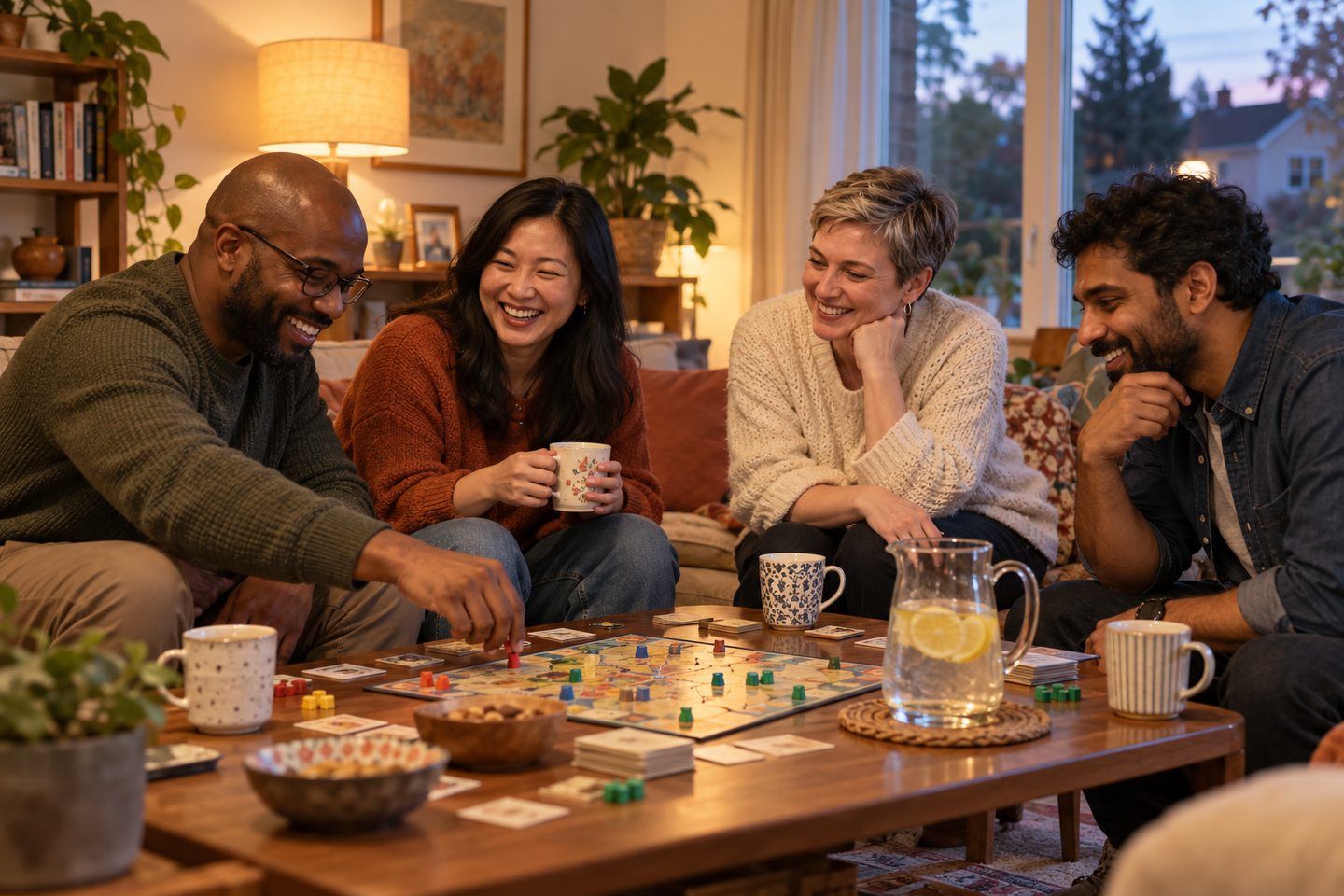
Hospitality and clear limits can work together
A Dry Living home can be a place for birthdays, family meals, holiday gatherings, and relaxed afternoons with friends. An alcohol-free arrangement does not remove the ingredients that make hospitality meaningful: attention, good conversation, a comfortable space, and a sense that guests are welcome. It does require a little planning so visitors understand the home they are entering. Clear expectations are often kinder than silence. When guests hear the relevant information before arriving, they can choose what to bring and avoid an uncomfortable correction in front of other people.
The starting point is the household agreement, not the event organizer's personal preference on that particular day. If residents chose the home because alcohol would not be present, a celebration should not quietly suspend that expectation. At the same time, explaining the boundary need not become a speech about anyone else's choices. You can say that the home is alcohol-free and offer appealing alternatives without asking visitors to adopt the same lifestyle elsewhere. This article focuses on that practical balance: welcoming people warmly while keeping the home usable and comfortable for the adults who live there throughout the year.
Plan with your Bunkmates before inviting anyone
Begin by checking the date, number of guests, rooms involved, and expected finish time with the people sharing the home. A celebration affects more than the person hosting it. Someone may be working an early shift, taking a remote appointment, studying, or planning a quiet evening. Discuss those needs while the plan is still flexible. Do not treat an invitation already sent to twenty people as a reason other residents must accept the arrangement. Early coordination gives the household a chance to choose a realistic format, identify access needs, and avoid competing uses of a small kitchen or living room.
Agree on practical responsibilities. Who buys food, communicates the Dry Living expectation, greets guests, manages music, and restores shared spaces afterward? Who will respond if a visitor brings something that does not fit the policy? Other Bunkmates can volunteer to help, but they should not become unpaid event staff simply because they live there. Also consider whether residents who are not attending can comfortably reach the bathroom, prepare food, and enter or leave. A successful gathering should feel like a temporary shared use of the home, not a takeover that makes a non-participating resident feel unwelcome in their own space.
Write invitations that answer the useful questions
An effective invitation tells guests what is happening, when it begins and ends, whether food is provided, and what they may bring. Add the alcohol-free expectation in a friendly, direct sentence. For a hypothetical dinner, you might explain that the home is alcohol-free and suggest dessert, fruit, or a favourite tea for anyone who wants to contribute. If the household also has specific expectations concerning recreational substances, smoking, or vaping, communicate those clearly rather than assuming alcohol-free covers everything. Avoid vague phrases that leave visitors guessing, and do not disclose a resident's personal reasons for the arrangement.
Ask about practical access and dietary requirements early enough to respond thoughtfully. Provide details about stairs, entry routes, seating, washrooms, parking, or public transport when relevant. If you do not know whether the space will work for someone, say what you know and invite questions rather than making a broad accessibility promise. Let guests decline without needing to explain private circumstances. The invitation is also a chance to make cost expectations clear. A visitor should know if the plan involves an optional contribution or a paid activity, rather than discovering an expense after they have committed to attending.
Choose a format that fits the people and the space
A gathering does not have to be large or late to feel special. A weekend lunch, afternoon tea, shared breakfast, film night, craft session, or small dinner can suit an alcohol-free household well. Choose the format around the people you are inviting and the space available. If conversation is the goal, keep the group small enough that people can hear each other. If guests include people who do not know anyone, an optional shared activity can offer an easy opening without forcing personal introductions or party games. Avoid assuming that everyone is comfortable performing, competing, or speaking to the whole room.
Think through the movement of the event. Where will coats go? Can guests move between seats without blocking a mobility aid? Is there a quieter place for a break? Will food service create a crowded bottleneck? Can a person choose a seat with back support rather than a low couch? These details can matter more to a guest's comfort than decorations or a complex menu. They also make the event easier for the host. A realistic plan reduces last-minute rearranging and helps guests feel considered without making one person responsible for repeatedly pointing out barriers after the gathering has already begun.
Offer drinks without making them the main attraction
Serve options that match the household agreement and the guests' preferences. Water, tea, coffee, juice, and simple fruit drinks may be enough. If you want something festive, presentation can do a great deal: chilled glasses, a colourful garnish, a warm spice blend, or a clearly labelled pitcher. There is no need to imitate alcoholic drinks unless the household is comfortable with that idea. Some residents enjoy alcohol-like alternatives, while others would rather keep those associations out of the home. Discuss the choice before buying products, especially if the Dry Living policy includes concerns about trace alcohol.
Health Canada notes that some fermented beverages, including kombucha and kefir, can contain low levels of ethanol. Check labels and product information when that matters to the agreement; do not assume every drink marketed as non-alcoholic is identical. Also avoid assuring guests that a product is medically suitable for them. Individuals can make their own choices with appropriate guidance where needed. At the table, make choosing simple and unremarkable. Nobody should have to explain why they want water, avoid caffeine, or decline a particular ingredient. Thoughtful hospitality gives people options and lets the conversation move on to something they actually came to enjoy.
Let diverse traditions shape the celebration
A shared home may bring together people with different cultural backgrounds, faiths, languages, ages, and ways of celebrating. That variety can make gatherings interesting and personal when participation is voluntary. Ask what a resident would like to share rather than assigning them a tradition based on their identity. They may want to cook a familiar dish, introduce a song, explain a custom, or keep their celebration private. Respect all of those choices. Nobody should be expected to educate the room about an entire culture, and nobody's preferred celebration should automatically become the household's standard for everyone else.
If a familiar tradition normally includes alcohol, discuss which elements matter most and how the event can work within the home's agreement. A toast can use an agreed drink; a family meal can centre on recipes, stories, or music. Do not present the adaptation as a correction of the original tradition or a judgment of guests who celebrate differently. Clear boundaries can be expressed with warmth. Where residents observe different holidays, make room for opt-in participation and avoid assumptions about belief. Shared hospitality is strongest when people are invited to enjoy one another's company without being required to affirm a particular religion or personal identity.
Handle an unexpected bottle without public embarrassment
Even a well-planned invitation can be missed or misunderstood. Suppose, hypothetically, that a guest arrives with wine as a gift. The inviting resident can thank them for the thought, explain the home's alcohol-free arrangement privately, and work out an appropriate way to handle the item without bringing it into the shared event. The response should follow the household's established expectations. Avoid turning the moment into a public lesson, speculating about the guest's motives, or asking another Bunkmate to reveal a personal reason for the policy. An honest mistake usually needs a clear explanation and practical correction, not humiliation.
Repeated disregard is a different issue and should be discussed with the inviting resident after the gathering. Focus on what occurred and how future invitations will be handled. If a guest becomes aggressive or anyone faces immediate danger, prioritize safety and seek appropriate help rather than trying to win an argument about house rules. For ordinary disagreements, use the relevant household and housing processes. Do not invent fines, threaten unlawful removal, or search belongings. A calm response preserves the boundary while keeping the home's role clear: residents are managing shared space, not diagnosing visitors or supervising their private lives.
Keep consent and privacy visible during the event
Photographs can make a celebration memorable, but not everyone wants their presence documented or shared. Ask before taking recognizable images and before posting them. A guest may have personal, professional, or safety reasons for declining, and no explanation is required. Avoid identifying anyone as being in recovery, belonging to a faith, or living in a particular type of community based on the event they attended. A photograph of people sharing an alcohol-free meal does not establish anything about their health or beliefs. Treat captions and tags with the same care you give the image itself.
Privacy also includes conversation. Do not introduce a guest by telling others why they do not drink or recounting a resident's personal history. If someone asks an intrusive question, the host can redirect to the shared occasion without making the person answer. Keep private rooms private, and explain which areas visitors may use. Residents who are not attending should not be drawn into introductions or tours without consent. These details help maintain the difference between opening the home for a gathering and giving guests unrestricted access to the lives of the people who happen to live there.
End well and restore the home
A clear finish time helps both guests and residents plan. Mention it in the invitation and begin winding down naturally rather than waiting until another Bunkmate is frustrated. Keep transport information available when useful, but do not assume you are responsible for every guest's travel arrangements. As the event ends, lower music, collect shared dishes, and check that common routes remain clear. If guests want to continue socializing elsewhere, the home does not have to remain open indefinitely. Respecting the planned ending makes future events easier to support because residents can trust that agreed limits have meaning.
Cleanup is part of hosting, not an optional task for the next morning's first person in the kitchen. Restore essential shared spaces promptly: clear counters, deal with food safely, remove rubbish, and return furniture to an accessible arrangement. Some non-urgent tasks can wait if the household has agreed, but residents should still be able to make breakfast or use the bathroom comfortably. The following day, check briefly with your Bunkmates about what worked and what could improve. Ask for practical feedback rather than praise. A small adjustment to timing, guest numbers, or food service can make the next gathering more enjoyable for everyone.
Plan smaller celebrations for smaller budgets
A meaningful gathering does not require specialty drinks, extensive decorations, or a restaurant-sized menu. Begin with the amount the organizer is comfortable spending and choose a format that fits. An afternoon tea may be easier than dinner; a dessert gathering may need fewer supplies than a full meal. If guests are invited to contribute, make the request optional and specific, and provide enough yourself that someone can attend without bringing anything. This avoids turning hospitality into an unspoken admission fee and helps people with different financial circumstances participate without awkward explanations.
Reuse what the household already has where practical, and ask before borrowing a Bunkmate’s belongings. A simple table with comfortable seating and a clear route through the room is more useful than elaborate styling that gets in everyone’s way. Consider whether a shared activity can provide the occasion: listening to a favourite album, sharing photographs with permission, or celebrating a small achievement over tea. Keep the focus on the person or event being honoured. When the gathering is affordable and manageable, residents are less likely to resent the expense or cleanup afterward. It also becomes easier to repeat the parts people enjoyed, making celebration a sustainable feature of shared life rather than an occasional production that leaves one resident exhausted.
Make celebration a sustainable part of shared living
Over time, a household can develop a set of celebrations that fit its own character. One group may enjoy an occasional communal dinner; another may prefer small visits arranged independently. Neither model is more authentic. The important question is whether hosting remains welcome, manageable, and consistent with what residents chose when they moved in. Keep costs optional where possible, avoid assigning social labour by gender or personality, and revisit routines when the household changes. A new Bunkmate should have a voice in the practical use of shared space rather than being told that every tradition is beyond discussion.
Dry Living can support hospitality by making one aspect of the event predictable: alcohol does not need to be negotiated each time. The rest of a good gathering comes from ordinary care. Communicate early, offer accessible choices, respect private reasons, protect quiet time, and follow through on cleanup. When considering a Bunking home, ask how guests and celebrations are handled in real life. A thoughtful answer should describe both welcome and limits. That balance allows people from different backgrounds to enjoy birthdays, holidays, and everyday friendship while keeping the home comfortable for every resident, including those who choose not to join the party.