Start with the home you already have
A house can feel full of belongings and still contain rooms that rarely support daily life. A former bedroom becomes storage. A dining room waits for holidays. A comfortable second sitting area sits empty most evenings. Shared living offers a reason to reconsider those spaces. For a homeowner who wants another person in the household, an existing bedroom and welcoming common areas may be the beginning of a useful housing option. The first question is what would make the home comfortable to share, rather than how extensively it could be remodelled.
That approach has practical benefits. Keeping a useful layout can preserve familiar routines, reduce disruption and leave more money available for maintenance and future improvements. It can also help you understand whether hosting suits your life before committing to a larger construction project. However, a modest plan still needs the appropriate property and safety review. Limited physical work does not automatically establish that a proposed rental arrangement is permitted. Start by describing the arrangement accurately and confirming what applies to your property.
The goal is a home in which both the Host and Bunkmate can live comfortably. Extra income may be part of the motivation, but daily usability determines whether the arrangement feels worthwhile. A room that is easy to clean, a kitchen with enough storage and a quiet place to unwind can matter more than expensive finishes.
Name the arrangement before changing the rooms
Renting a bedroom within a shared home, creating a separate dwelling unit and operating a rooming house or other multi-unit property are different proposals. They are not interchangeable descriptions of the same project. A bedroom arrangement may involve sharing a kitchen and living room. A separate dwelling unit has its own facilities and raises a different set of design and approval questions. A rooming house or another residential use may involve additional licensing, zoning and operating requirements. The applicable category depends on the actual proposal and local rules.
In Ottawa, explain the number of proposed residents, which spaces would be shared and what alterations you are considering when seeking City guidance. Ottawa publishes specific information about additional dwelling units and rooming house licensing. Its additional dwelling unit guidance also explains that a proposed change of use needs review even where limited or no construction is planned. Avoid deciding the legal category from an online photograph or the label another homeowner uses. Ask about your particular address and intended use.
This early clarification protects the benefit of a smaller project. You can direct your effort toward a suitable arrangement instead of buying fixtures or furniture for a use that needs a different approval route. Clear language also helps prospective Bunkmates understand what you are offering.
Map an ordinary day before buying anything
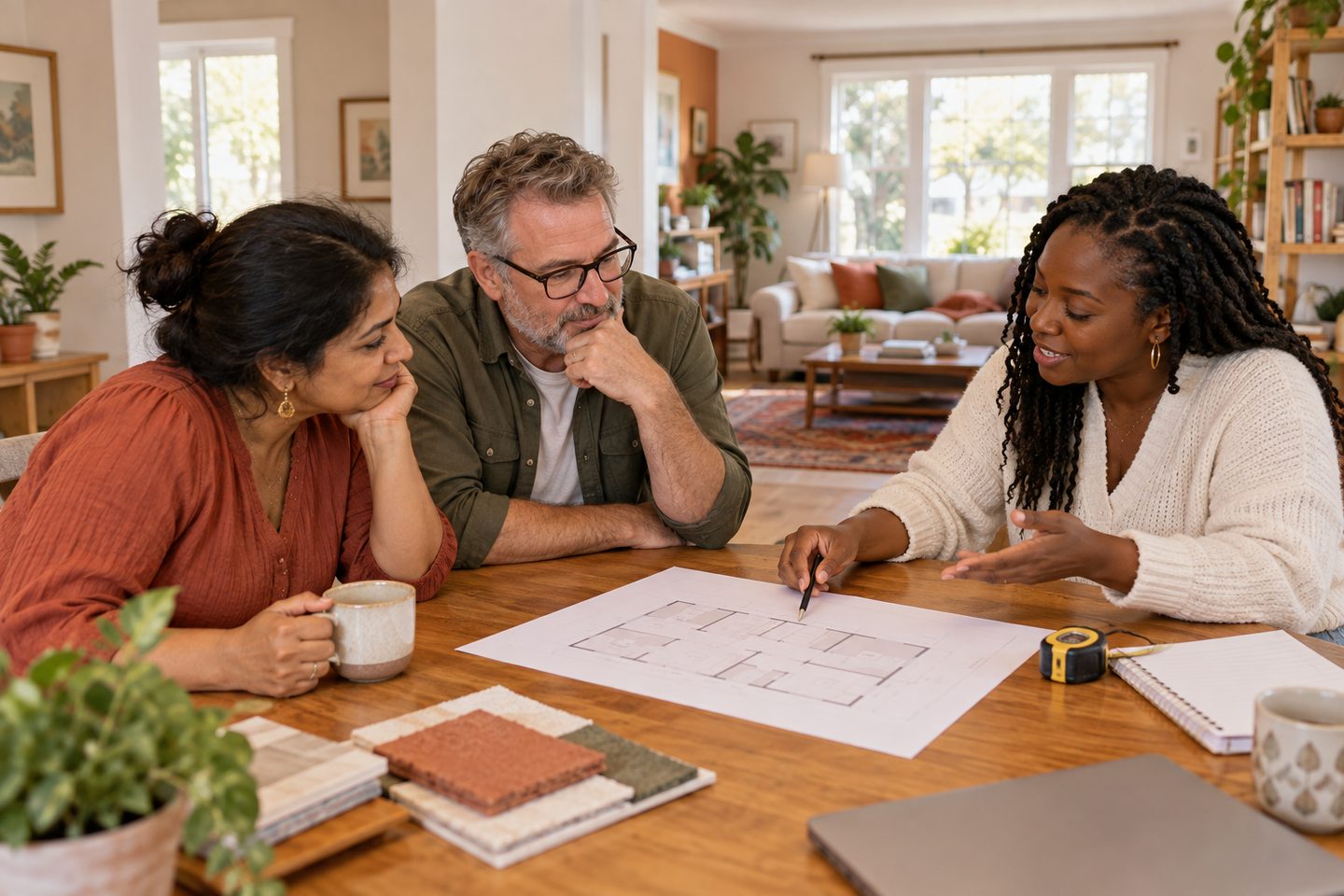
Walk through the house as though two independent adults are starting their mornings. Where do coats and wet boots go? Can someone make breakfast while another person gets ready for work? Is there a place to put a grocery bag without covering the only clear work surface? These questions reveal the difference between spare square footage and space that genuinely supports another resident. A simple sketch of activities can be more useful at this stage than a collection of renovation inspiration images.
Repeat the exercise for evenings, weekends and a day when both people are home. Think about cooking, laundry, private calls, visitors and quiet time. You may discover that the main difficulty is an overloaded hallway or an awkward furniture arrangement. You may also discover a real limitation that cannot be resolved with organisation alone. Both findings are valuable. They help you choose a realistic household size and avoid making the private bedroom carry every function of daily life.
Write down three categories: what already works, what could improve with a small change and what requires qualified advice. That division keeps enthusiasm connected to the way people will actually live. It also gives you a practical starting point for discussing the home honestly with a potential Bunkmate.
Make the bedroom a place of ownership and privacy
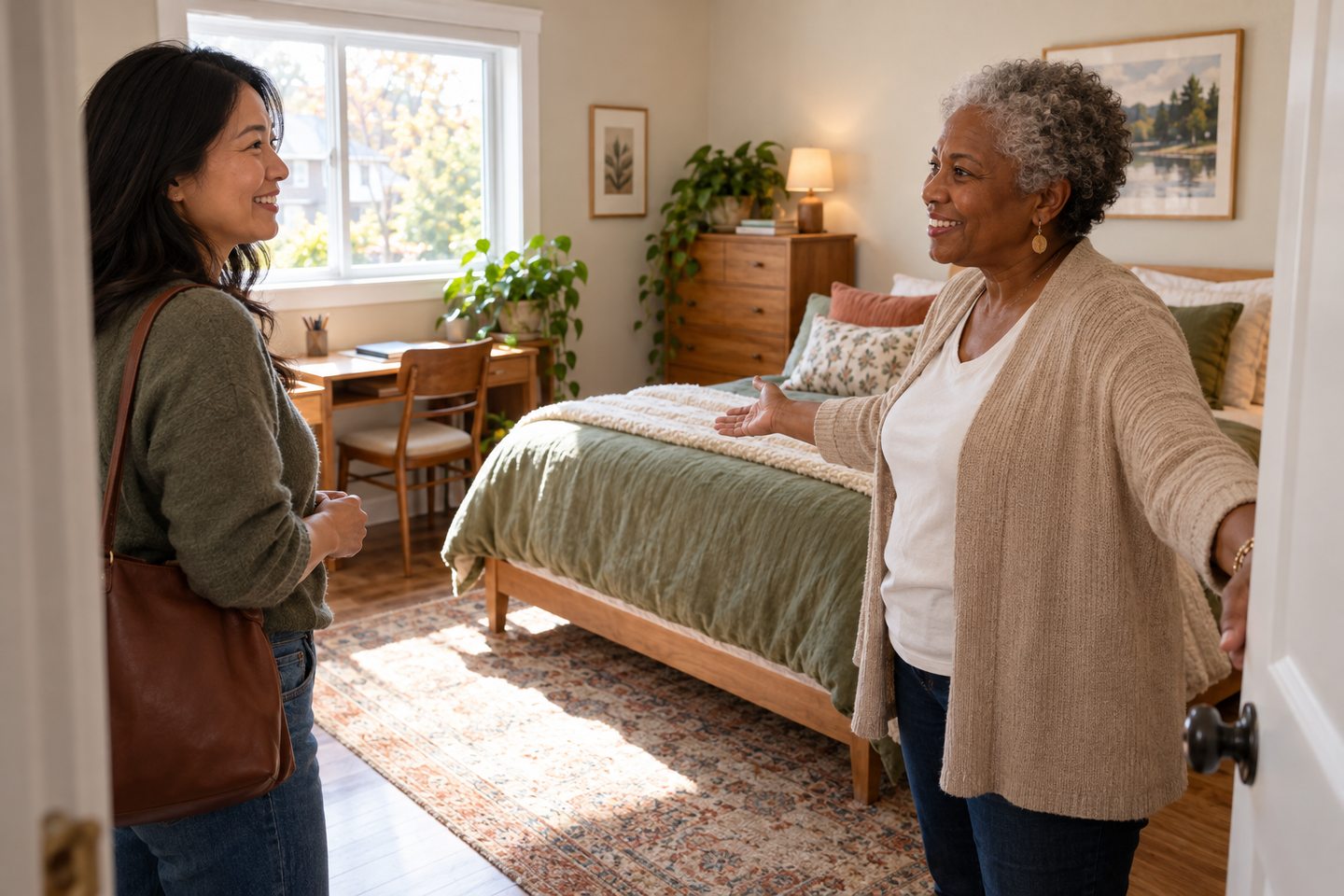
A Bunkmate needs more than a bed placed in a former storage room. They need a private place that feels available for their own routines and belongings. Remove the household overflow before showing the room. Consider whether there is practical space for clothing, a reading light and the furniture the person expects to bring. Avoid filling every corner with your preferred furniture before learning what is useful to them. A clear, adaptable room can be more welcoming than one styled entirely around the owner's tastes.
Privacy has a physical side and a behavioural side. Discuss entry, cleaning, repairs and how requests will be communicated, using an agreement suitable for the arrangement and its applicable rules. Consider how conversations travel through the house, especially near a shared television area or home office. Decorative changes can improve comfort, but do not treat a rug or bookcase as a substitute for required construction, fire protection or professional acoustic advice where those issues arise.
The benefit is a healthier balance between connection and independence. When the private room works well, residents can join household activity by choice and retreat without explanation. That makes shared areas feel like a genuine opportunity rather than an unavoidable extension of someone else's personal space.
Give shared resources enough breathing room
A shared home can let people use one kitchen, laundry area, dining table and collection of household tools instead of duplicating everything. The benefit becomes tangible when those resources are easy to access. Assign enough refrigerator and cupboard space for each person. Decide whether dishes, small appliances and cleaning products are communal or individually owned. A clearly available shelf can communicate belonging more effectively than a general invitation to make yourself at home while every cupboard remains full.
Look for small sources of friction before they become recurring annoyances. Perhaps the only laundry basket lives in someone else's bedroom, or the vacuum is behind boxes the Bunkmate should not move. Rearranging storage can remove these barriers without construction. A shared charging area, sensible recycling setup or second drying rack might solve an actual problem. Purchase items in response to expected use rather than assuming that a shared home needs an entirely new set of household equipment.
Sharing does not require sharing every possession. Some people prefer separate groceries or personal cookware for dietary, cultural or practical reasons. Agree on the boundary without treating it as a rejection of community. Comfortable cooperation comes from knowing what is available and respecting what is personal.
Keep more than one way to spend an evening
One of the most useful features in a shared home is choice. A person might want conversation after work on Tuesday and a quiet evening on Wednesday. If every common activity happens around the same television, residents have fewer ways to enjoy the home comfortably. Where the existing layout allows, create a second modest place to sit, read or work. It might be a comfortable chair beside a lamp or a small desk in an appropriate common area, rather than a new room.
Do not create a seating area at the expense of safe circulation or turn a passage into an obstacle course. Think about how furniture placement affects people carrying laundry, using mobility devices or moving through the home in low light. Consider whether a quiet corner is actually quiet when someone uses the kitchen. A useful layout reflects sound and movement as well as floor area. Sometimes removing an oversized item does more for comfort than adding another piece.
Flexible common spaces can preserve the Host's enjoyment of the home while expanding the Bunkmate's choices. They also support different household rhythms. The benefit is less pressure to coordinate every leisure activity and more opportunity for ordinary, relaxed companionship when both people welcome it.
Treat accessibility as a conversation about real use
An accessible experience cannot be established by calling a room spacious or labelling a house senior friendly. People have different mobility, sensory and communication needs, and those needs can change. Invite a prospective Bunkmate to explain which features matter to them without assuming that age, appearance or a disability tells you how they live. A person may care most about the route from the entrance to the bedroom, control of lighting, the bathroom arrangement or the ability to hear a doorbell.
Describe existing features accurately, using relevant photographs and measurements when appropriate. Avoid promising that a house is suitable for every wheelchair user or that a particular improvement resolves every access barrier. Structural changes, bathroom adaptations and permanent accessibility equipment may need qualified design and installation. Even simple changes should support the person's preferences rather than an imagined version of their needs. Ask before removing a familiar feature or purchasing equipment on someone else's behalf.
The benefit of this approach extends beyond any single resident. Better organisation, clearer circulation and understandable household information can make everyday tasks easier for many people. Shared living still remains housing. A Bunkmate's presence should not be presented as a substitute for personal care, clinical support or an agreed professional service.
Make safety part of readiness, not a finishing touch
A fresh coat of paint can make a room look ready before the home has been properly assessed. Review the proposed occupancy and any alterations with the appropriate City contacts or qualified professionals. Ask about the applicable building, fire and property requirements rather than relying on a generic checklist. Ottawa Fire Services publishes information about smoke alarms, carbon monoxide alarms and fire prevention. Use its current guidance to identify the right questions for your home and seek clarification where necessary.
Residents should know how to report a problem and what to do in an emergency. Keep routes through the house usable, discuss an escape plan and make household safety information easy to find. Explain unfamiliar appliances and the location of essential contact information. These conversations can be calm and practical. They are part of helping another adult understand the home, much like explaining how recycling collection or the thermostat works, while recognising that safety equipment and compliance require specific attention.
Do not ask a Bunkmate to accept an unresolved hazard in exchange for lower rent. Nor should a promise to be careful replace required work. The lasting benefit of preparation is confidence that the arrangement has been considered seriously before anyone builds daily routines around it.
Spend in stages while keeping essential work first
A staged budget can make adaptation manageable. Start with any required approvals, assessments and safety work, followed by repairs that affect everyday use. Then consider basic storage, lighting and furniture. Decorative upgrades can follow when the household's preferences become clearer. This sequence is a planning approach, not a recommendation about borrowing or investment returns. Its purpose is to avoid using the available budget on visible finishes while overlooking an uncomfortable mattress, unreliable appliance or necessary professional assessment.
Set aside money for maintenance and unexpected needs as well as initial preparation. Sharing may change how frequently appliances, fittings and common areas are used. Keep a record of proposed purchases and ask what problem each solves. If an item exists only to make a listing photograph look impressive, it may deserve a lower priority than something that improves daily comfort. Obtain suitable advice before work that affects the building, utilities or regulated equipment.
The advantage of restraint is flexibility. A home can improve through informed choices rather than a single expensive redesign based on assumptions. When you have room in the budget to respond to real experience, it becomes easier to address a practical problem promptly.
An illustrative household: small changes with a clear purpose
Consider a hypothetical example involving Nadia, an Ottawa homeowner, and Leon, a prospective Bunkmate who works irregular hours. Nadia initially imagines converting her basement, but their conversations reveal that an existing bedroom may better support the proposed shared arrangement, subject to the appropriate review. Leon wants reliable privacy, room for his own desk and straightforward kitchen access. Nadia wants to keep using her garden and living room without feeling that she must entertain another person every evening.
They identify several practical changes: clearing stored boxes from the bedroom, making cupboard space available, moving a noisy television away from the shared wall and agreeing on late evening kitchen routines. Nadia investigates the relevant property and safety questions before proceeding. They also discuss visitors, cleaning and how concerns will be raised. No part of this illustration guarantees that another property could use the same arrangement. It shows how attention to actual routines can guide a more proportionate plan.
Their potential benefit is a home that remains familiar while serving another resident well. Success would depend on suitability, communication and follow-through, rather than on the cost of the renovation. A thoughtful shared home can begin with better use of what is already there.
Let the first months teach you what matters
Once a suitable arrangement begins, plan regular opportunities to discuss how the home is working. Ask concrete questions about storage, temperature, noise and access to shared spaces. Address maintenance promptly and distinguish a household preference from an owner's responsibilities. Some improvements will be simple; others may need professional input or a different budget. Changes affecting a resident's space or agreement should be discussed and handled according to the applicable requirements, not imposed because the owner has discovered a new idea.
Keep the original purpose in view: making the home more useful while supporting two independent lives. You do not need to renovate every room to create that benefit. You need an appropriate arrangement, honest information, a comfortable private area and shared spaces that work in practice. If the existing house cannot provide those things, learning that early is useful too. It gives you a clearer basis for deciding whether a more substantial conversion deserves separate investigation.